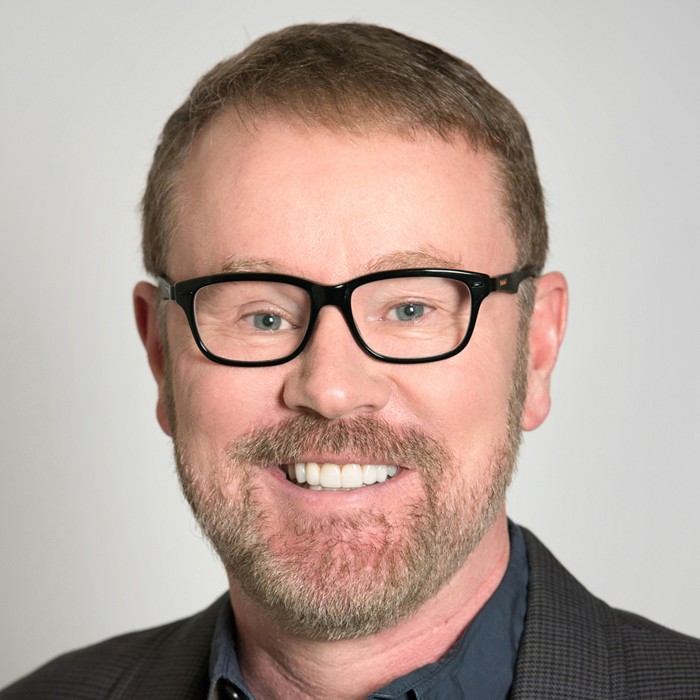
In the vast landscape of modern science, certain figures stand out not just for their groundbreaking discoveries but for their audacious willingness to challenge established paradigms. Dr. Garry Nolan, a professor in the Department of Pathology at Stanford University School of Medicine, is unequivocally one such luminary. His work spans an impressive spectrum, from fundamental immunology to innovative applications in neuroscience, all underpinned by a relentless pursuit of empirical truth and scientific advancement.
Editor's Note: Published on June 1, 2024
The Genesis of Immunomics
Dr. Nolan's early career was marked by foundational research that significantly reshaped our understanding of the immune system. His laboratory is renowned for developing novel technologies, most notably CyTOF (Cytometry by Time-Of-Flight), a mass cytometry platform that allows for the simultaneous measurement of over 50 cellular parameters. This revolutionary technique has provided unprecedented depth in single-cell analysis, fundamentally transforming fields like immunology, oncology, and stem cell research. Before CyTOF, researchers were limited to a handful of markers; Nolans innovation unleashed a torrent of data, enabling a more granular and comprehensive view of cellular states and functions. It's not an exaggeration to say that this technology has become indispensable in high-parameter biological research.
"Science thrives at the edge of the unknown, where new tools allow us to ask questions we couldn't even formulate before."
Bridging Disciplines
While his roots are firmly planted in immunology, Dr. Nolan's intellectual curiosity has consistently propelled him into interdisciplinary explorations. A fascinating aspect of his recent work involves applying his deep understanding of cellular biology and advanced analytical techniques to complex neurological conditions. He has been involved in research exploring the biological underpinnings of conditions like Havana Syndrome, investigating potential biomarkers and cellular changes in individuals experiencing unexplained neurological symptoms. This foray into neuroscience exemplifies his unique ability to connect seemingly disparate fields, leveraging tools and insights from one area to shed light on mysteries in another. His approach highlights a crucial lesson: the most profound breakthroughs often occur at the intersections of established disciplines, where fresh perspectives can dismantle long-standing impasses.
dr garry nolan
The multifaceted contributions of Dr. Garry Nolan to scientific inquiry necessitate an examination of several pivotal areas. These aspects collectively underscore the profound impact of his work across diverse biological disciplines and technological innovation.
- Stanford University Professor
- Pioneering Immunologist
- CyTOF Technology Inventor
- Havana Syndrome Research
- Interdisciplinary Scientific Leader
These facets define Dr. Garry Nolan's scientific identity. His role at Stanford signifies academic rigor, while his pioneering work in immunology and the invention of CyTOF technology have revolutionized cellular analysis. Involvement in Havana Syndrome research demonstrates an application of advanced techniques to complex health mysteries, solidifying his reputation as an interdisciplinary leader pushing scientific boundaries.
Stanford University Professor
The designation of "Stanford University Professor" is not merely an institutional title for Dr. Garry Nolan; it signifies a profoundly symbiotic relationship that has amplified his scientific contributions and, in turn, enhanced the university's formidable reputation in biomedical research. This affiliation provides an unparalleled ecosystem of resources, intellectual capital, and collaborative opportunities crucial for pioneering work. The university's robust funding mechanisms, state-of-the-art core facilities, and access to a diverse pool of brilliant researchers and students create an environment where ambitious, high-risk scientific endeavors can flourish. Dr. Nolan's laboratory, nestled within Stanford's Department of Pathology, has demonstrably leveraged these advantages to develop transformative technologies, such as mass cytometry (CyTOF), which revolutionized single-cell analysis and continues to be a cornerstone of high-dimensional biological discovery.
The practical significance of this connection extends beyond mere resource provision. Being a Stanford Professor grants Dr. Nolan a platform of global influence, attracting top-tier talent to his research group and facilitating interdisciplinary collaborations across engineering, medicine, and computer science departmentsa hallmark of modern scientific progress. This institutional backing provides the credibility and infrastructure necessary to tackle complex challenges, from fundamental immunological questions to investigating unexplained neurological conditions, such as Havana Syndrome. The university's emphasis on innovation and translation further enables the transition of basic scientific discoveries from the bench to potential clinical applications or commercial ventures, ensuring broader societal impact. The prestige associated with Stanford also plays a critical role in securing grants, publishing in high-impact journals, and shaping scientific discourse at an international level.
In essence, the role of "Stanford University Professor" is integral to understanding the scope and influence of Dr. Garry Nolan's work. It is a relationship of mutual reinforcement: the institution empowers groundbreaking research through its resources and intellectual environment, while the professor's innovative contributions elevate the university's standing as a global leader in scientific discovery. This synergy underpins the sustained pursuit of knowledge at the frontiers of biology and medicine, demonstrating how institutional support is a critical component in the success of leading scientific minds and the advancement of human understanding.
Pioneering Immunologist
The identification of Dr. Garry Nolan as a "Pioneering Immunologist" is intrinsically linked to his transformative contributions that have fundamentally reshaped the methodologies and scope of immunological research. This designation arises directly from his laboratory's development of mass cytometry, specifically CyTOF (Cytometry by Time-Of-Flight), a technology that transcended the limitations inherent in conventional fluorescence-based flow cytometry. Prior to CyTOF, researchers were constrained by spectral overlap, typically limiting simultaneous analysis to fewer than 15 parameters. Dr. Nolan's innovation, leveraging metal isotopes as labels, enabled the simultaneous quantification of 40 or more cellular markers at a single-cell level, thereby unlocking unprecedented resolution in immune cell phenotyping and functional analysis. This breakthrough directly caused a paradigm shift, moving immunology from a low-dimensional to a high-dimensional analytical framework, a critical component of modern systems immunology. The practical significance of this advancement lies in its ability to dissect the intricate heterogeneity of immune cell populations in health and disease, providing a more comprehensive understanding of complex biological systems.
The importance of "Pioneering Immunologist" as a descriptor for Dr. Nolan is underscored by the profound impact CyTOF has had across numerous immunological domains. For instance, in cancer immunology, this technology has been instrumental in characterizing the diverse immune microenvironment within tumors, identifying novel immune cell subsets, and elucidating mechanisms of resistance to immunotherapies. In the study of infectious diseases, it has allowed for a detailed profiling of host immune responses to pathogens, revealing subtle yet critical shifts in cellular composition and activation states that were previously undetectable. Furthermore, in autoimmune disorders, CyTOF has facilitated the identification of pathogenic immune cell populations and pathways, offering new avenues for diagnostic markers and therapeutic targets. This capacity to generate high-fidelity, multiparametric data from single cells has not merely refined existing knowledge but has enabled the formulation of entirely new hypotheses regarding immune system function and dysfunction. Such capabilities represent a tangible legacy of a pioneering mind, pushing the boundaries of what is technically feasible and conceptually imaginable within the field.
In conclusion, the connection between "Pioneering Immunologist" and Dr. Garry Nolan is cemented by his instrumental role in developing and disseminating technologies that have fundamentally altered the trajectory of immunological science. His work exemplifies the essence of pioneering: the creation of novel tools that allow for the exploration of previously inaccessible biological dimensions. The high-dimensional data generated through CyTOF has provided unparalleled insights into immune complexity, directly influencing advancements in disease understanding, biomarker discovery, and the development of targeted therapies. This understanding of his pioneering status is crucial for appreciating the depth of his influence on contemporary immunology and its continued evolution towards more comprehensive and integrated analyses of the immune system.
CyTOF Technology Inventor
The indelible link between Dr. Garry Nolan and the designation "CyTOF Technology Inventor" represents a pivotal moment in the history of biomedical instrumentation, fundamentally altering the landscape of single-cell analysis. This invention, mass cytometry by time-of-flight (CyTOF), did not merely refine existing methodologies but introduced a paradigm shift, enabling an unprecedented depth of cellular interrogation. The development of CyTOF emerged from a critical need to overcome the inherent limitations of traditional fluorescence-based flow cytometry, particularly the issue of spectral overlap, which severely restricted the number of cellular parameters that could be simultaneously measured. Dr. Nolan's visionary leadership and pioneering work in this domain established a new gold standard for high-dimensional biological data acquisition, profoundly influencing fields ranging from immunology to oncology.
- Overcoming Spectral Overlap
The primary innovation of CyTOF involves the utilization of stable heavy metal isotopes, conjugated to antibodies, as reporters instead of fluorescent dyes. This approach entirely circumvents the problem of spectral overlap that plagues conventional flow cytometry. Each metal isotope possesses a distinct mass, allowing for their simultaneous detection by a time-of-flight mass spectrometer without interference. This fundamental shift from optical detection to mass detection is the cornerstone of CyTOF's capability, enabling the concurrent measurement of 40 or more cellular markers. The practical implication is a dramatically enhanced capacity to resolve complex cellular populations and phenotypes that were previously indistinguishable, offering unparalleled detail in cellular characterization.
- Revolutionizing High-Dimensional Single-Cell Analysis
The capacity for high-dimensional data acquisition afforded by CyTOF technology has revolutionized single-cell analysis, particularly in understanding cellular heterogeneity within complex biological samples. Researchers can now simultaneously probe numerous surface and intracellular proteins, providing a holistic view of cell state, function, and lineage at an individual cell level. This capability is critical for dissecting the intricate cellular landscapes found in tissues, tumors, and bodily fluids, offering insights into subtle cellular changes indicative of disease progression, therapeutic response, or immune activation. The depth of information generated facilitates a more comprehensive understanding of biological systems, moving beyond bulk analyses that often obscure crucial cellular subsets.
- Broadening Scientific Application Across Disciplines
The utility of CyTOF extends across a vast array of scientific disciplines, demonstrating its versatility and transformative impact. In immunology, it has been instrumental in identifying novel immune cell subsets, characterizing immune responses to pathogens and vaccines, and elucidating mechanisms of autoimmune diseases and cancer immunotherapy. In oncology, CyTOF enables detailed profiling of tumor microenvironments, identifying cellular targets for therapy and biomarkers for prognosis. Furthermore, its application in neuroscience, stem cell research, and drug discovery has provided invaluable insights into cellular development, differentiation, and drug-induced effects. The technology's ability to generate rich, multiparametric datasets has made it an indispensable tool for advanced biomedical research globally.
- Establishing a New Standard for Data Richness
The invention of CyTOF by Dr. Nolan effectively established a new benchmark for the richness and complexity of data attainable from single-cell experiments. Before CyTOF, researchers often relied on sequential or combinatorial approaches with limited markers, which provided only fragmented views of cellular identity and function. CyTOF allowed for a comprehensive, snapshot analysis of numerous parameters simultaneously, greatly accelerating discovery. This technological leap has not only provided deeper insights into fundamental biology but has also propelled the development of sophisticated bioinformatics tools necessary to analyze and interpret the vast quantities of high-dimensional data generated, thereby fostering advancements in computational biology and systems biology.
The invention of CyTOF technology by Dr. Garry Nolan stands as a monumental achievement, directly addressing critical bottlenecks in cellular analysis and subsequently empowering a generation of researchers with unprecedented tools. The profound impact of this innovation continues to resonate through its widespread adoption, its role in unraveling complex biological phenomena, and its enduring influence on the trajectory of high-dimensional single-cell research. This technological legacy underscores Dr. Nolan's pivotal role not merely as a researcher but as a transformative innovator whose contributions have reshaped the very methodologies of scientific discovery.
Havana Syndrome Research
Dr. Garry Nolan's engagement with Havana Syndrome research represents a critical application of advanced cellular diagnostics to an enigmatic medical phenomenon. His involvement underscores a commitment to unraveling complex health mysteries through rigorous scientific inquiry, particularly when traditional explanations remain elusive. This research aims to provide an empirical foundation for understanding the reported symptoms and potential underlying biological changes associated with this perplexing condition.
- High-Dimensional Cellular Profiling
The utilization of sophisticated analytical platforms, notably mass cytometry (CyTOF), constitutes a cornerstone of research efforts. This technology, pioneered by Dr. Nolan's laboratory, permits the simultaneous measurement of numerous cellular parameters from small biological samples. Its application to individuals reporting Havana Syndrome symptoms aims to identify subtle, yet objective, alterations in immune cell populations or other cellular markers that might correlate with reported neurological dysfunction, offering a level of detail unattainable with conventional methods. This approach seeks to move beyond subjective reports by establishing a biological basis for the observed health effects.
- Quest for Objective Biomarkers
A primary objective within this research domain involves the identification of concrete, measurable biological markers indicative of exposure or injury. In the absence of clear diagnostic criteria or conventional explanations for Havana Syndrome, the search for biomarkers in blood, cerebrospinal fluid, or other tissues becomes paramount. Dr. Nolan's approach focuses on detecting subtle molecular or cellular signatures that could serve as objective evidence of a physiological insult, providing scientific validation for the experiences of affected individuals and aiding in potential diagnostic development. This search for empirical evidence is crucial for both clinical management and understanding etiology.
- Multifaceted Investigative Framework
Addressing the complexities of Havana Syndrome necessitates an inherently interdisciplinary approach, drawing expertise from immunology, neuroscience, toxicology, and physics. Dr. Nolan's laboratory, with its deep understanding of cellular biology and analytical methodologies, contributes a vital component to this broader investigative framework. The integration of advanced 'omics' data with clinical presentations and environmental assessments aims to construct a comprehensive picture, moving beyond isolated observations to identify potential causal mechanisms or persistent physiological changes. This collaborative strategy is essential for tackling a condition with such diverse and unusual manifestations.
- Addressing Unexplained Neurological Conditions
Research into Havana Syndrome also reflects a broader scientific imperative to address unexplained neurological conditions where conventional diagnostic pathways yield inconclusive results. The methodologies applied, including high-resolution cellular analysis and biomarker discovery, are transferable to other complex illnesses lacking clear etiology. Dr. Nolan's involvement highlights the critical role of innovative scientific tools and an open-minded, data-driven approach in navigating medical frontiers that challenge existing paradigms and require novel investigative strategies, thereby contributing to the understanding of idiopathic conditions more generally.
The engagement of Dr. Garry Nolan in Havana Syndrome research exemplifies the application of cutting-edge scientific tools to profoundly challenging medical puzzles. This work underscores the critical need for advanced cellular diagnostics and biomarker discovery in understanding novel health threats and providing empirical grounding for conditions that defy easy explanation, thereby advancing both medical knowledge and patient care for complex, unexplained illnesses.
Interdisciplinary Scientific Leader
The characterization of Dr. Garry Nolan as an "Interdisciplinary Scientific Leader" accurately reflects a career defined by the seamless integration of diverse scientific disciplines. Modern scientific challenges frequently transcend the boundaries of single fields, demanding expertise from multiple domains to achieve comprehensive understanding and innovative solutions. Dr. Nolan's contributions consistently demonstrate an exceptional aptitude for identifying critical convergences between seemingly disparate areas, leveraging insights and methodologies from one field to drive breakthroughs in another. This leadership style is not merely about collaboration but about fundamentally reshaping research approaches to address complex biological and medical questions through a holistic, multi-faceted lens.
- Technological Innovation as a Catalyst for Integration
The development of mass cytometry (CyTOF) by Dr. Nolan's laboratory exemplifies interdisciplinary leadership. While rooted in immunology, this technological breakthrough, which merges principles of flow cytometry with mass spectrometry, immediately offered profound implications across numerous fields. It required expertise spanning analytical chemistry, engineering, physics, and computational science for its creation and subsequent refinement. Its application then extended beyond basic immunology to areas such as oncology, neuroscience, infectious disease, and stem cell biology, effectively creating a common high-dimensional data language that facilitated interdisciplinary dialogue and discovery. This innovation served as a powerful tool for bridging research gaps, providing unprecedented data richness that necessitated new collaborative frameworks.
- Translational Bridges in Complex Disease Investigation
Dr. Nolan's involvement in investigating complex and often enigmatic conditions, such as Havana Syndrome, underscores his role as an interdisciplinary leader. This work mandates the synthesis of insights from clinical medicine, neurology, immunology, environmental science, and advanced analytical chemistry. The pursuit of objective biomarkers and underlying physiological mechanisms for such conditions cannot be confined to a single specialty. It requires a leader capable of integrating clinical observations with high-dimensional cellular profiling, epidemiological data, and potentially even forensic analysis. This capacity to orchestrate diverse expertises towards a unified research objective is a hallmark of effective interdisciplinary leadership, transforming anecdotal evidence into empirically grounded inquiry.
- Methodological Leadership and Data Science Integration
The generation of high-dimensional datasets through technologies like CyTOF necessitates sophisticated computational and statistical approaches for analysis and interpretation. Dr. Nolan's leadership extends to fostering the development and application of advanced bioinformatics and machine learning techniques within his research programs. This requires close collaboration with experts in computer science, statistics, and mathematics, creating a symbiotic relationship where biological questions drive computational innovation, and computational tools unlock deeper biological insights. His emphasis on robust data analysis pipelines and visualization strategies ensures that the vast quantities of information generated can be effectively translated into meaningful biological understanding, thereby integrating data science as an indispensable component of modern biological research.
- Cultivating Interdisciplinary Talent and Research Environments
Beyond specific projects, Dr. Nolan's influence as an interdisciplinary leader is evident in his role in shaping research environments and mentoring future scientists. His laboratory and collaborations at Stanford University attract researchers from varied backgrounds, fostering a culture where diverse perspectives are not just tolerated but actively sought out and integrated. This creates a fertile ground for cross-pollination of ideas and methodologies, preparing a new generation of scientists who are adept at working across traditional disciplinary divides. Such leadership is crucial for building the intellectual infrastructure necessary to tackle increasingly complex global health and scientific challenges, moving beyond siloed research to embrace a more integrated, systems-level approach.
These facets collectively establish Dr. Garry Nolan's preeminent position as an Interdisciplinary Scientific Leader. His career trajectory demonstrates a consistent commitment to transcending conventional scientific boundaries, employing technological innovation, fostering translational research, and championing integrated methodologies. This leadership style is not merely an attribute but a fundamental necessity for addressing the multi-faceted complexities inherent in contemporary scientific inquiry, driving progress through the synthesis of knowledge from across the scientific spectrum.